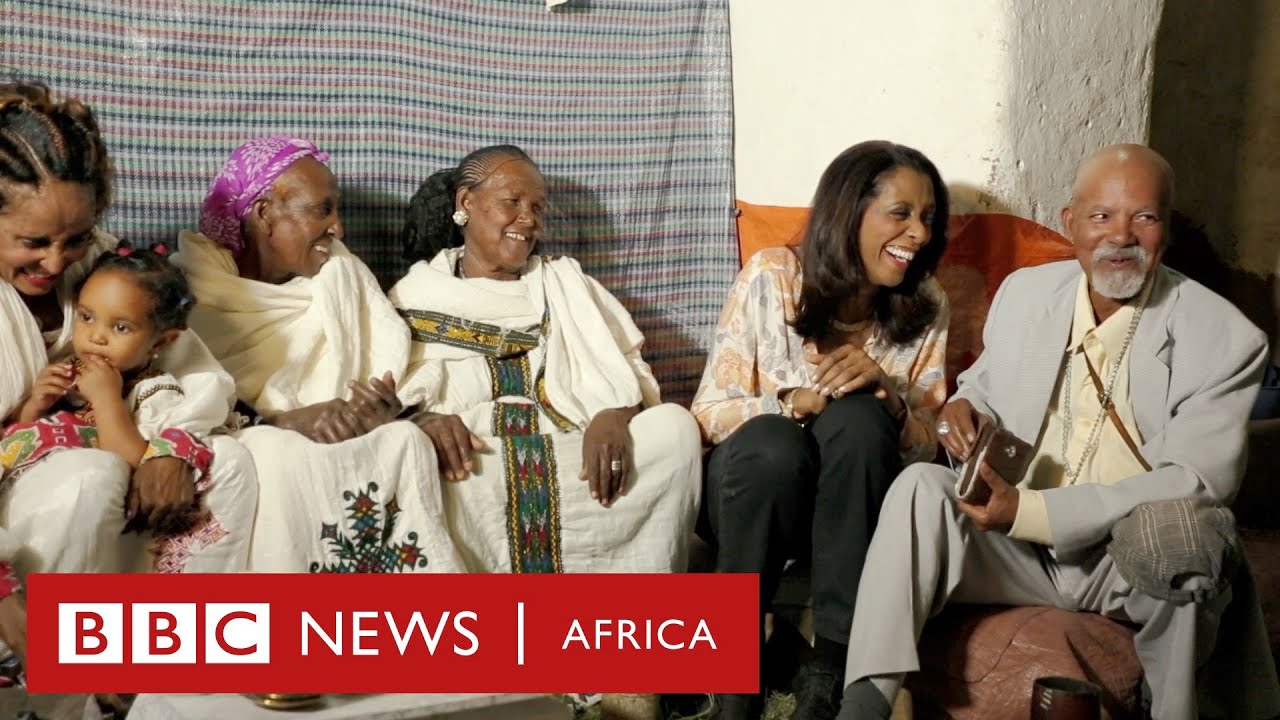
The Rise of Aksum follows Zeinab Badawi through Eritrea and Ethiopia to explore an ancient African kingdom whose influence reached across the Red Sea. Episode 5 of History of Africa examines the connections between trade, political power, religious change and the stories communities preserve about their past.
The programme examines archaeological remains and explains how control of Red Sea trade contributed to Aksum’s wealth and power. It also explores the kingdom’s adoption of Christianity in the fourth century.
The episode discusses the place of the Queen of Sheba and the Ark of the Covenant in Ethiopia’s historical and religious traditions. For study, distinguish the significance of these traditions to believers and communities from what can be established through archaeology and other historical evidence.
Questions for research and discussion
How did access to trade routes shape the kingdom’s political influence?
Which objects or archaeological sites does the programme use as evidence?
How does the account of religious change connect rulers, institutions and communities?
Where does the documentary draw on oral tradition, and where does it draw on material evidence?
Build a study record with four columns: the claim, the speaker, the video timestamp and the evidence cited. This makes it easier to compare interpretations and follow up on sources.
Continue with Episode 6: Kings and Emirs, which explores the kingdoms and communities that followed Aksum.
Archive note: This is an RTV viewing guide, not a transcript. The documentary and original featured image are credited to the BBC. The research questions are RTV study prompts.