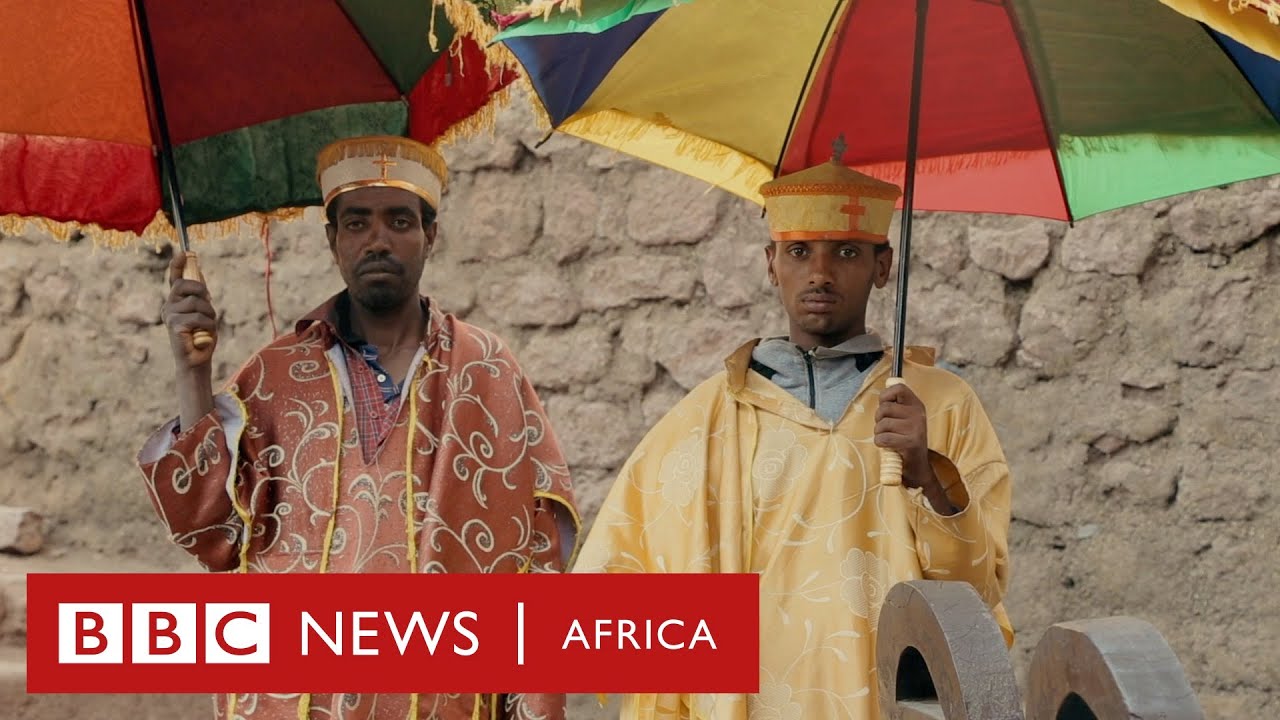
In Kings and Emirs, Zeinab Badawi explores the histories of Ethiopian Christian kingdoms and Muslim communities after the decline of Aksum. This is Episode 6 of History of Africa, the BBC World News series based on UNESCO’s General History of Africa collection.
The programme considers the legacy of Aksum and the Christian rulers who followed. It introduces King Lalibela and the rock-hewn churches associated with him, then examines the arrival of Islam and relationships between Christian kings and Muslim emirs.
Badawi also visits Harar and observes the local practice of feeding hyenas. These places and practices provide starting points for studying Ethiopia’s diverse religious and cultural histories.
Questions for research and discussion
What forms of evidence does the programme use when discussing the decline of Aksum?
How do architecture, oral tradition and written accounts contribute to the story of Lalibela?
How does the episode describe relationships between Christian and Muslim communities?
What do the Harar sequences reveal about the relationship between a city’s history and its living traditions?
When making notes, separate documented evidence from traditions and interpretations. Record the speaker and timestamp for any statement you plan to quote, and compare important claims with the sources discussed in the programme.
Source and study reference
UNESCO’s introduction to the nine-part series explains its foundation in the General History of Africa collection and provides an outline of this episode. The series introduction dates from 2017; this RTV archive entry and the BBC YouTube upload have separate dates.
Archive note: This page is an RTV viewing guide, not a transcript. The documentary and its original thumbnail are credited to the BBC. The reflection questions are editorial study prompts.