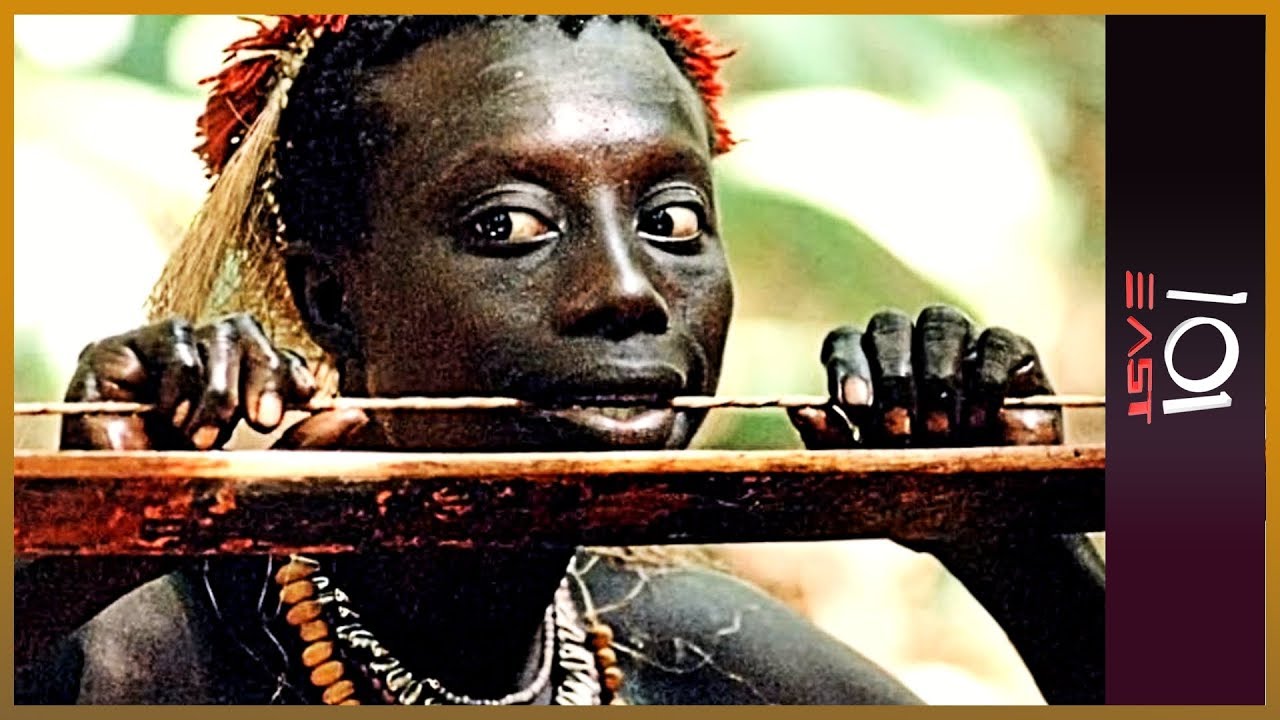
The Lost Tribe is a 2012 101 East report about the people commonly called Jarawa in India’s Andaman Islands. This archive entry pairs the original programme with a guide to reading its language, dates and questions critically.
Names and self-determination
Survival International explains that the people call themselves Ang, meaning “We people.” It describes “Jarawa” as a name from a neighbouring Great Andamanese language. The older name remains in the documentary title so that researchers can identify the source, while this guide also acknowledges the community’s own name.
A label such as “lost tribe” reflects an outsider’s framing. It should not suggest that people are without history, knowledge or agency. When studying the programme, ask who is speaking, who is being described and whose priorities guide the discussion.
Consent, tourism and representation
Survival International’s advocacy materials challenge tourism that turns Indigenous people into attractions. Its guidance emphasises respect, meaningful consent for photography and community control over visits. Those principles provide a useful framework for evaluating how people are represented on screen as well as how visitors behave.
Consider the difference between learning from people on terms they choose and treating access to their lives as something outsiders are entitled to purchase. A research project can examine both the documentary’s reporting and the ethical choices involved in producing and circulating images.
Read the report in its historical setting
This programme dates from 2012. Population figures, descriptions of policy and statements about conditions in the film belong to that reporting period. They should not be repeated as present-day facts without new evidence. Keep a source’s publication date alongside any figures you record.
Questions for study
How does using a community’s own name change the way its story is introduced?
Whose voices are heard directly, and whose experiences are interpreted by others?
What would meaningful consent look like for filming, visiting or publishing images?
How can researchers discuss threats to a community without reducing its members to victims?
For each claim in your notes, record a timestamp and distinguish a participant’s statement from narration or your own interpretation. Compare the original report with community-led perspectives and later, dated research.
Programme: Al Jazeera English / 101 East. Original film and thumbnail rights remain with their respective owners. This RTV article is a study companion, not a transcript.