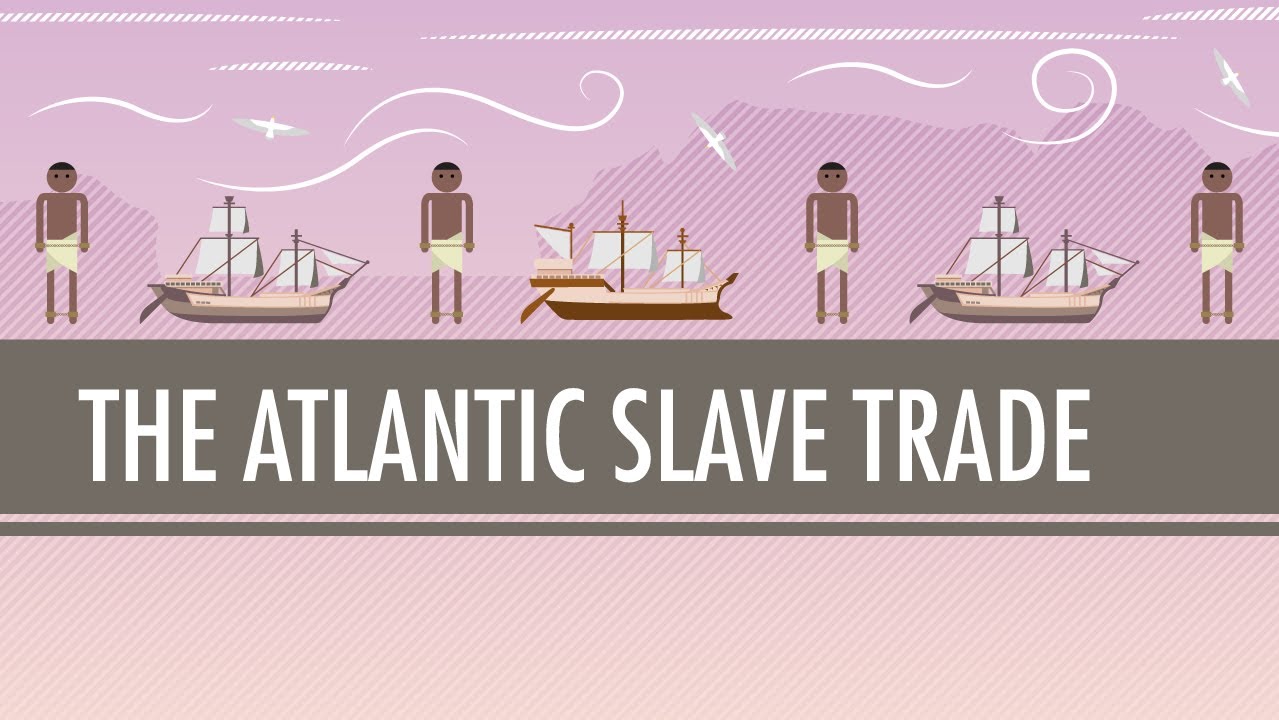
This episode of Crash Course World History, presented by John Green, introduces the Atlantic slave trade and the development of racialized chattel slavery. Published in 2012, it is a short educational overview of a vast history involving Africa, Europe and the Americas.
Historical questions at the center of the lesson
The film considers how systems of enslavement changed over time and how laws and economic interests treated human beings as property. Its scope includes the conditions imposed on enslaved people and the relationship between racism and slavery. A brief introduction cannot represent every African society, colony, period or experience; students should use it as a starting point for closer regional research.
Use these chapter markers
0:30: Introduction to the Atlantic slave trade.
1:54: How Africans became enslaved.
2:55: Living conditions imposed on enslaved people.
5:41: A discussion of the word “slave.”
6:45: Defining slavery and comparing historical systems.
Study and discussion
Choose one claim and write down the evidence offered for it. Distinguish the forced movement of people from the institutions that maintained slavery after arrival. Consider how the phrase “enslaved person” emphasizes a person’s humanity and the violence of the condition imposed on them.
For a longer research exercise, compare an individual’s narrative with a shipping record or law from the same period. Ask who created each source, whose perspective it records and whose voice is absent. Do not assume that records created by enslavers describe the full lives of the people they controlled.
Viewing note: The subject includes racial violence and dehumanization. Teachers may wish to preview the episode and guide discussion with care.