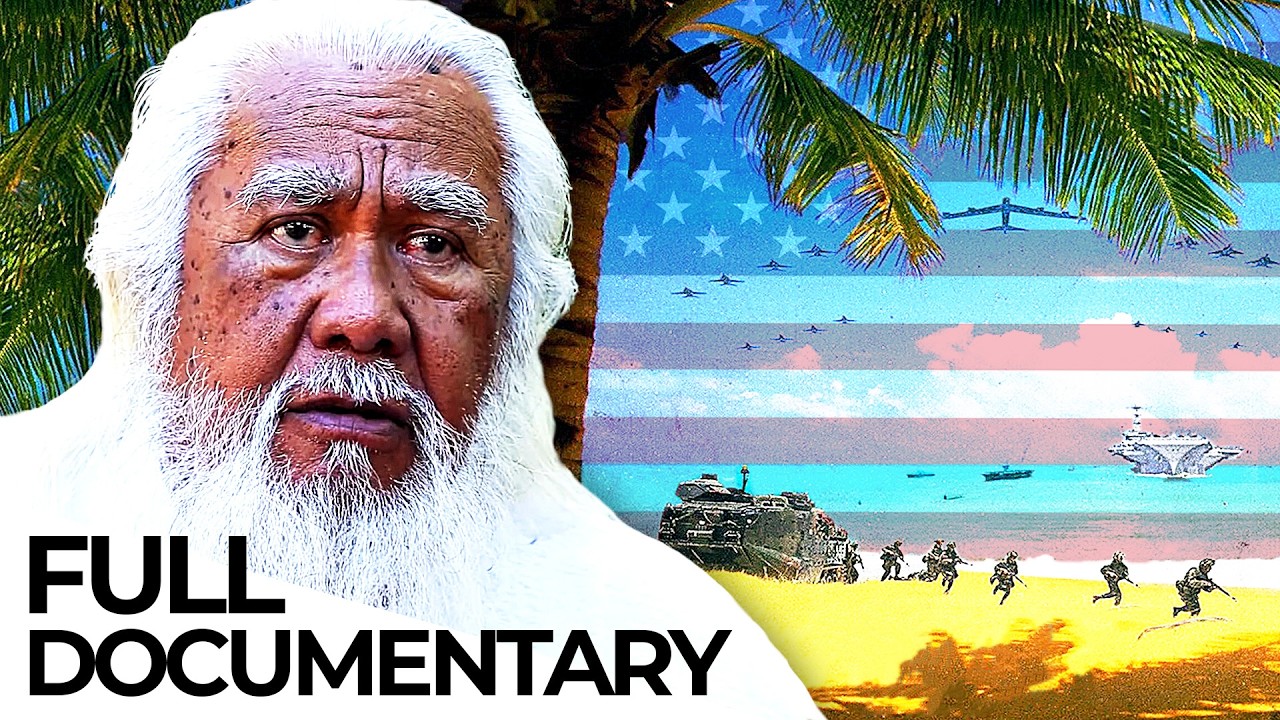
Stolen Paradise, presented by ENDEVR, examines the overthrow of the Hawaiian Kingdom and questions of Hawaiian sovereignty. The film offers a critical perspective that can be studied alongside historical records, Native Hawaiian testimony and the documents linked below.
Historical points of reference
The National Archives records that Queen Liliʻuokalani was overthrown on 17 January 1893. The provisional government then sought annexation by the United States. The Archives also preserves the story of the 1897 petition opposing annexation, an important record of Native Hawaiian political action.
In 1993, Public Law 103–150 acknowledged the centenary of the overthrow and offered an apology to Native Hawaiians on behalf of the United States. Its text recognizes the participation of U.S. agents and citizens and addresses the consequences for Native Hawaiian sovereignty.
Watch and compare the evidence
The documentary’s title expresses its argument. When studying it, distinguish documented events, participants’ testimony and the film’s interpretation of their meaning. The overthrow, annexation and later statehood are separate stages and should not be collapsed into one event.
This entry provides historical context rather than a determination of present-day legal claims. Reading the full documents helps viewers understand what a particular source establishes and what remains a matter of interpretation or debate.
Study questions
Whose voices does the documentary prioritize?
How do petitions and official records illuminate Native Hawaiian opposition?
What does the 1993 resolution acknowledge in its own words?
How do historical memory and political sovereignty connect in the film?
Build a timeline with a source for each entry. Keep quotations short, identify the speaker or document and include dates.