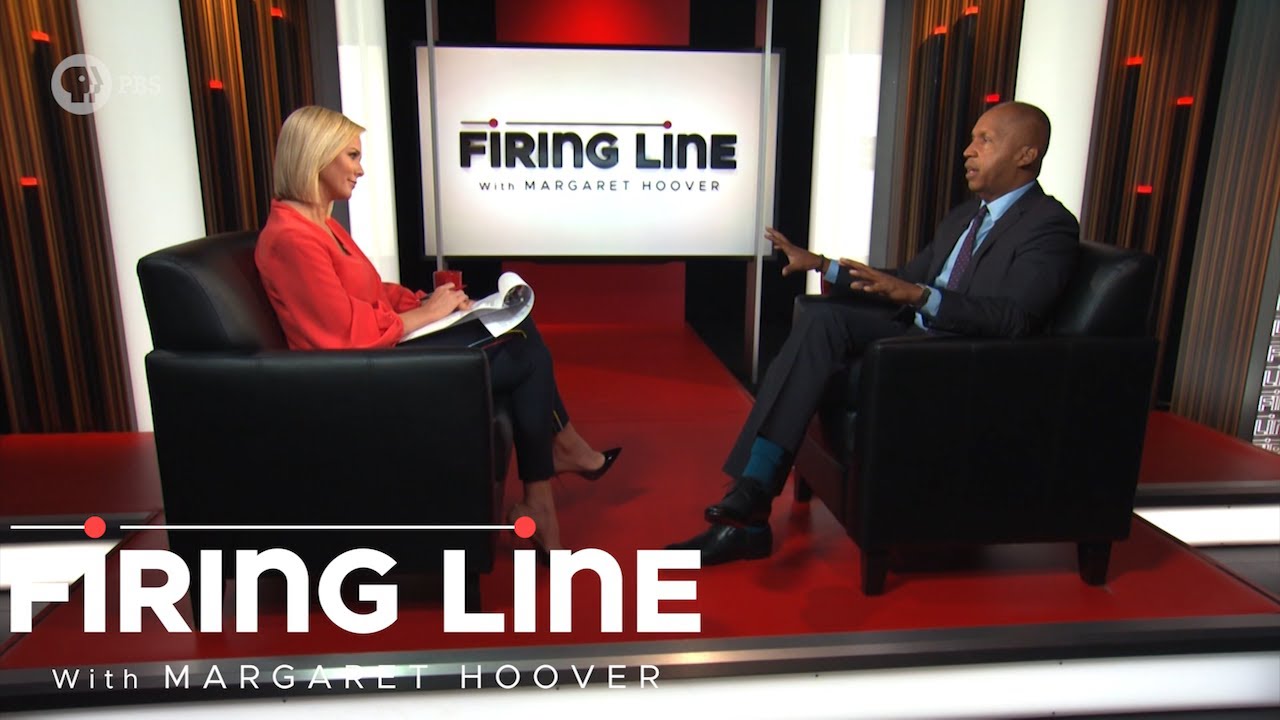
In this excerpt from Firing Line with Margaret Hoover, Bryan Stevenson discusses the enduring consequences of slavery and the narratives used to justify racial inequality. The original broadcast was October 18, 2019.
Understanding Stevenson’s argument
The source clip is titled “Slavery Doesn’t End in 1865, It Just Evolves.” Stevenson uses this formulation to argue that the ideology of racial hierarchy survived formal emancipation and continued to shape later institutions. It is a historical and moral argument about continuity, rather than a claim that no legal abolition occurred.
His discussion asks listeners to consider the difference between changing a law and confronting the beliefs that helped sustain injustice. For study purposes, identify each stage of that argument and the evidence needed to evaluate it.
Questions for discussion
What does Stevenson identify as slavery’s lasting ideological legacy?
How does he connect historical memory with the possibility of change?
Which statements describe historical events, and which offer interpretation?
What additional sources would help examine the links he draws between different periods?
How can public education address painful history while preserving the voices of those affected?
Research beyond a short clip
Read the full Firing Line interview and transcript to see the excerpt in context. Choose one historical connection Stevenson makes and build a short bibliography containing a primary document, a historical study and a source reflecting the experience of the affected community.
Keep quotation, paraphrase and your own analysis clearly separate. A powerful phrase can open a research question, but it should not replace careful attention to dates, institutions and evidence.