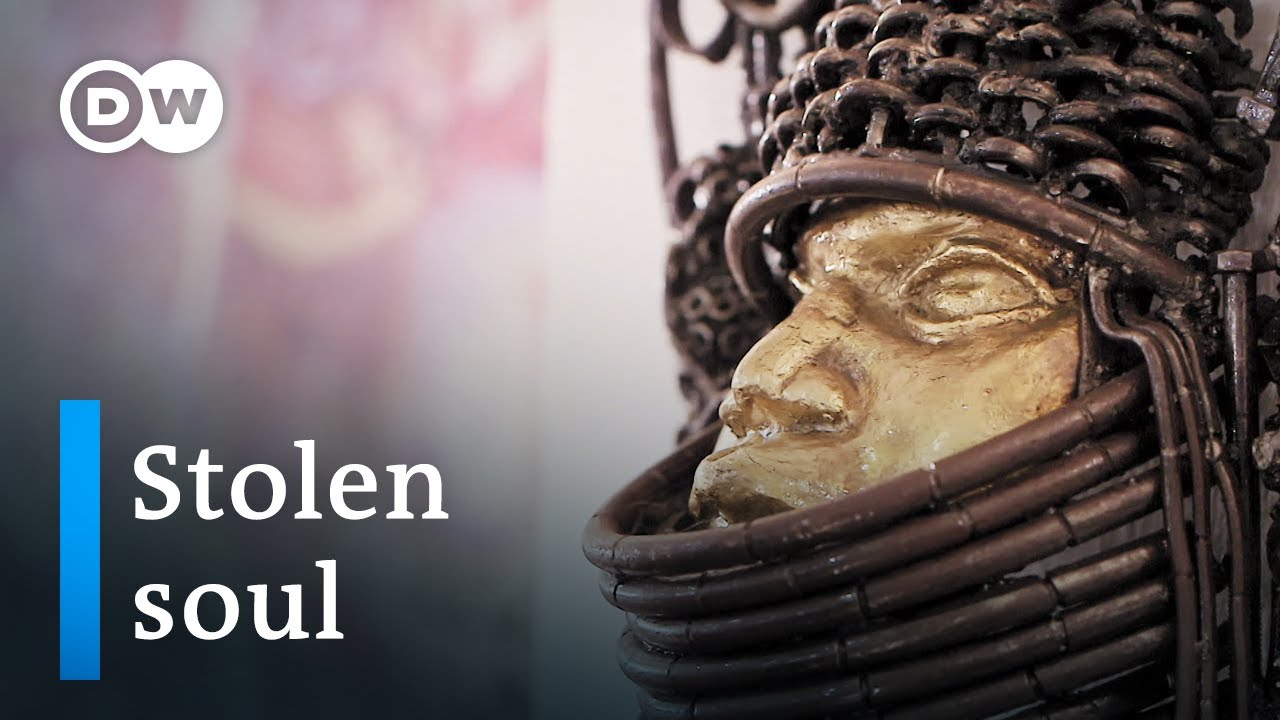
Africa’s Looted Art, published by DW Documentary, examines the disputed movement of African cultural objects into European collections and the calls for their return. The film brings museum practices, colonial history and community relationships into the same conversation.
Beyond the display case
The original programme description asks museums to confront how objects were acquired and whose voices shape decisions about their future. A cultural object may carry meanings that cannot be reduced to its appearance or market value. Studying it responsibly includes the history of the people who made, used and cared for it.
This is an archival documentary. Its statements about a particular collection or negotiation should be understood in the context of the film’s reporting, not assumed to describe the situation today. Restitution cases develop over time and require object-specific research.
Questions for close viewing
What evidence does the film provide about an object’s removal and later ownership?
How do descendants, artists, museum staff and public officials describe its significance?
What is the difference between returning ownership, returning physical custody and arranging a loan?
Who is included in decisions about interpretation and display?
How would access to the object affect research, education or cultural practice in its community of origin?
A practical provenance exercise
Choose one object discussed in the film. Build a dated record of its creation, removal, acquisition and later display, marking gaps clearly. Compare the museum’s catalogue with a source from the community or country of origin. Keep documented facts separate from disputed claims, and record when each source was written.
For cultural preservation work, this exercise helps turn a general argument about “African art” into a careful account of a particular object, place and people.