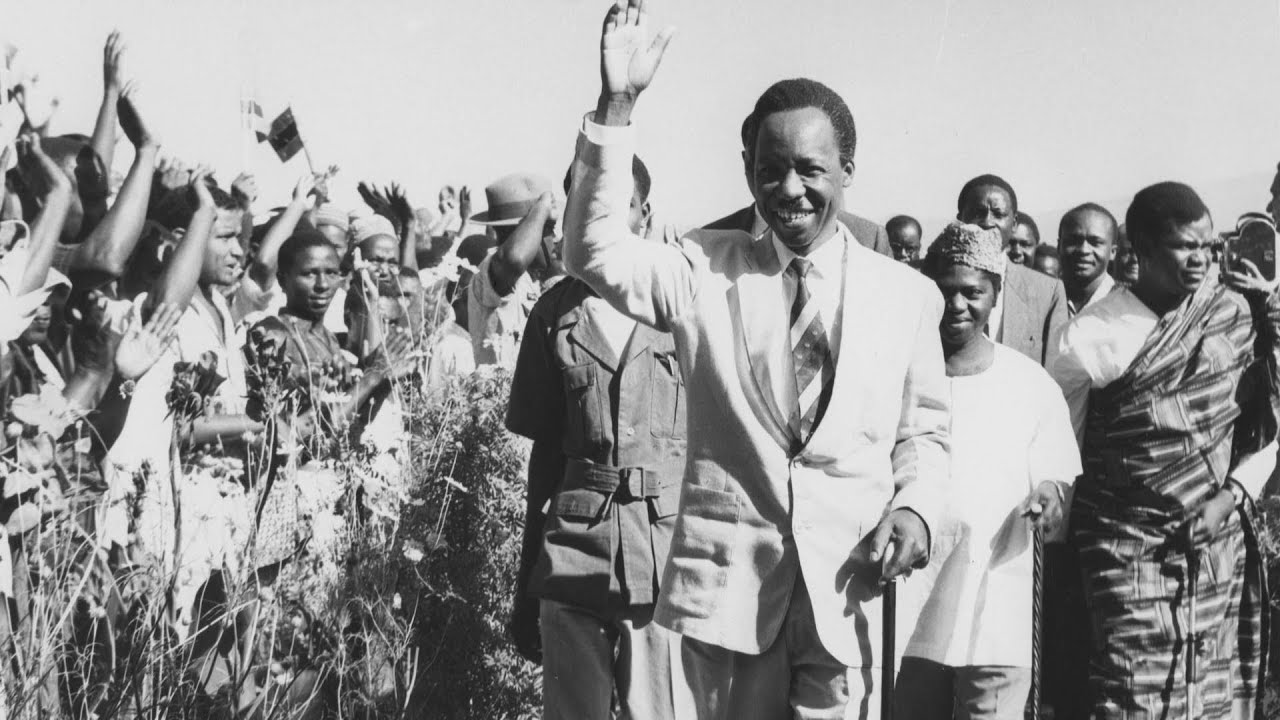
Faces of Africa: Mwalimu Julius Nyerere introduces the life and political legacy of Tanzania’s first president. The CGTN Africa documentary is a starting point for studying independence, nation-building and African socialism through a leader whose ideas continue to invite both admiration and critical examination.
Independence and African unity
The African Studies Centre Leiden describes Julius Kambarage Nyerere (1922–1999) as an influential African statesman. Its guide to the biography Development as Rebellion traces his education, nationalism and political thought, including the relationship between national independence and Pan-Africanism.
That reading guide also highlights the union of Tanganyika and Zanzibar in 1964. When taking notes, distinguish Tanganyika from the later United Republic of Tanzania and place each event in its own historical setting.
Ujamaa: ideas and outcomes
Nyerere’s concept of Ujamaa, commonly rendered as “familyhood,” shaped his vision of African socialism. The Leiden guide identifies self-reliance, mass education, farming and villagization among important themes, and points readers to the 1967 Arusha Declaration.
It also presents a contested legacy: respect for his role in independence alongside criticism of political restrictions and policy outcomes. Studying the intended goals separately from their implementation helps avoid reducing a complex history to either celebration or dismissal.
How to use the documentary
Record the dates, speakers and sources used for each major claim. Distinguish Nyerere’s own statements from later recollections and the programme’s narration. Ask what the film can demonstrate directly and what requires comparison with speeches, documents or historical scholarship.
The Julius Nyerere Leadership Centre’s media collection provides related interviews and archival recordings. Comparing a speech or interview with a retrospective documentary can reveal changes in emphasis, audience and interpretation.
Study questions
How does the programme explain the relationship between independence and social change?
What does the idea of familyhood suggest about responsibilities within a society?
Which measures would help assess a policy’s results as well as its stated intentions?
How do the experiences of citizens broaden a history focused on a national leader?
Build a short evidence table with a claim, its source and date, and any contrasting account. This makes it easier to identify agreement, disagreement and gaps requiring further research.
Credit: CGTN Africa / Faces of Africa. Original film and thumbnail rights remain with their respective owners. This article is an editorial study companion, not a transcript.