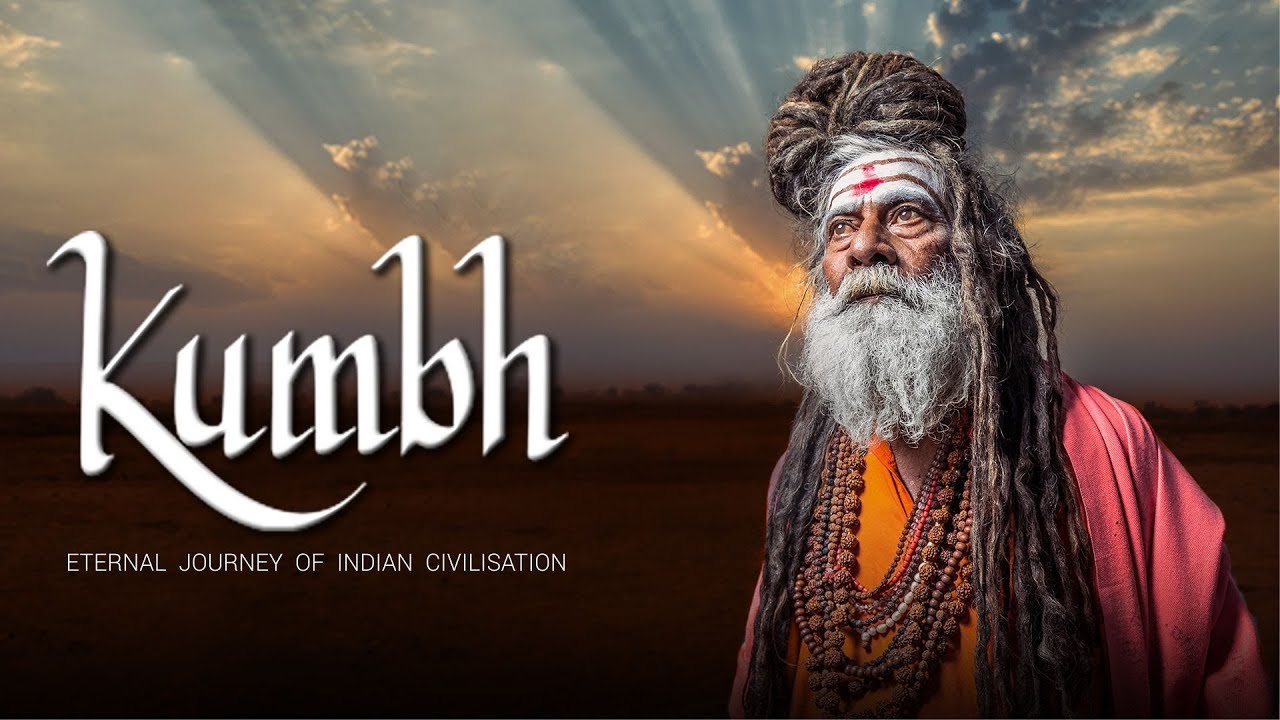
Kumbh: Eternal Journey of Indian Civilisation explores the spiritual, cultural and social meanings of Kumbh Mela through an Indian perspective. The film was produced by India Inspires Foundation in association with Indus University, and written and directed by Harshit Jain.
Living heritage and pilgrimage
Kumbh Mela was inscribed on UNESCO’s Representative List of the Intangible Cultural Heritage of Humanity in 2017. UNESCO describes a gathering involving sacred bathing, religious teaching and the transmission of knowledge through texts, oral traditions and relationships between teachers and students.
Religious explanations in the film should be understood as expressions of belief and tradition. Historical claims can be investigated separately through dated texts, travel accounts and scholarship. Living traditions also change; a documentary cannot stand for every participant’s experience.
Questions for study
How do participants explain the purpose of pilgrimage?
What knowledge is transmitted through teaching, ritual and shared practice?
How do the filmmakers connect spiritual life with the organization of a large gathering?
Which statements concern faith, and which make testable historical claims?
Research activity
Choose one practice shown in the film. Record the speaker’s explanation and compare it with UNESCO’s heritage description. Note the context of each source and any differences in emphasis. Consider how documentation can support cultural continuity while respecting participants’ own interpretations.