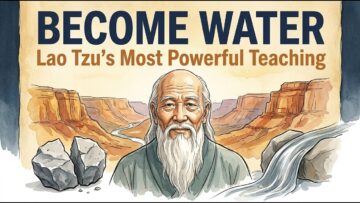
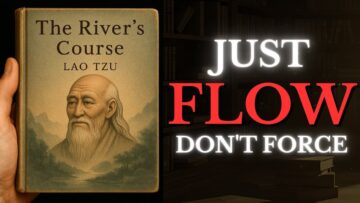
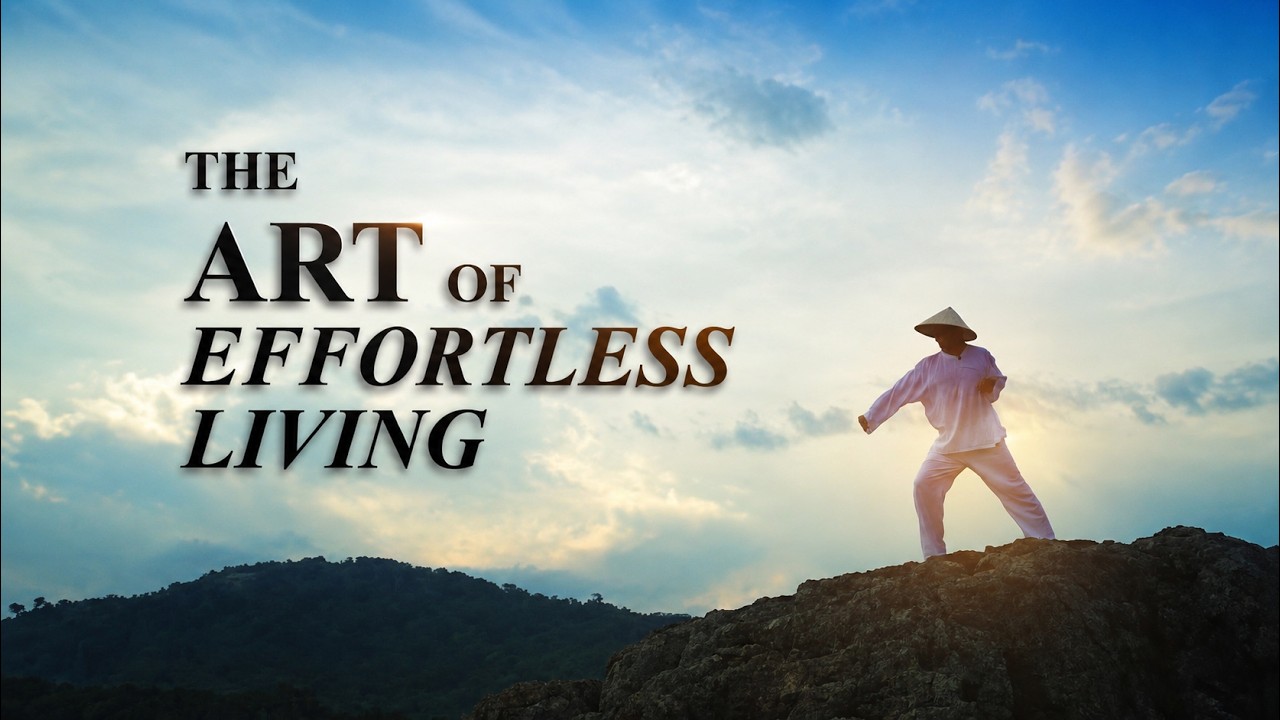
Jason Gregory’s The Art of Effortless Living presents an interpretation of Taoist philosophy centered on wu-wei, described by the filmmaker as nonforcing or nondoing. Released in 2019, the documentary invites reflection on the relationship between deliberate effort, responsiveness and the unfolding of daily life.
Understanding the film’s central idea
Gregory relates wu-wei to experiences of spontaneous, practiced action, such as the sense of being “in the zone” in creative work or sport. In his presentation, effortless action is a way of considering how people engage with circumstances. It should not be read as a promise that life will become free of difficulty.
This is a philosophical documentary and one author’s interpretation. Taoist texts, traditions and translations deserve study in their own contexts. A comparison with another spiritual tradition can be useful, but should not erase their distinct histories or meanings.
Questions for reflection
How does the filmmaker define wu-wei, and what examples does he use?
How might nonforcing differ from passivity or avoiding responsibility?
Which statements draw on traditional texts, and which express a modern interpretation?
When does preparation make an activity feel more natural?
Where might the film’s advice need qualification in ordinary life?
A reading and viewing exercise
Select one passage discussed in the documentary and compare two translations, noting the translator and edition. Record differences in wording before deciding that a single English phrase captures the full meaning. Then write a short reflection separating the text, Gregory’s interpretation and your own response.
The film is offered here as a resource for philosophical study and contemplation, not as a guarantee of particular personal or health outcomes.