Bessie Coleman: An American Hero introduces a pioneering aviator whose determination challenged barriers facing Black women in flight. This short biography is paired with museum sources and study questions so viewers can distinguish the inspiring story from the specific evidence behind it.
A documented aviation milestone
On June 15, 1921, Coleman received a pilot’s license from the Fédération Aéronautique Internationale, becoming the first African American woman to earn one. The Smithsonian National Air and Space Museum documents her training in France, her later work as a performer and her ambition to open a flight school for African Americans.
That ambition was not realized during her lifetime. Coleman died in 1926, but her example continued to inspire other aviators. Her history is about both individual achievement and the unequal access to training and opportunity she confronted.
Study questions
Why did Coleman pursue flight training outside the United States?
Which people and institutions helped make her training possible?
How did public performances support her work and ambitions?
What evidence supports a claim that someone was the “first” in a particular field?
How did later aviators preserve and extend her legacy?
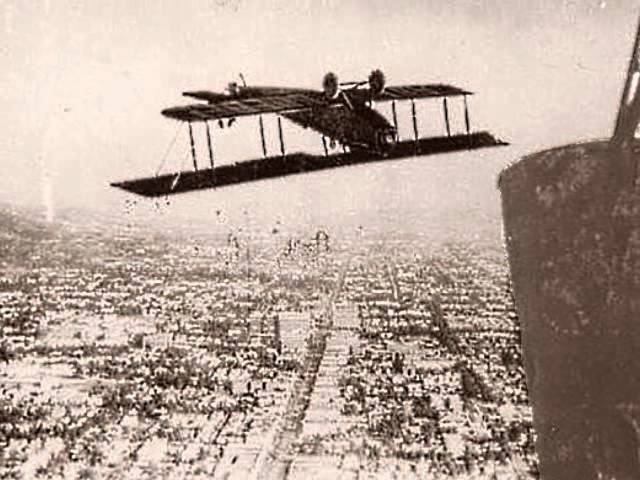
For an image-based exercise, choose one historical photograph and record its source, caption and any information that remains unknown. Do not assume that every aircraft shown in a biography was flown by its subject.