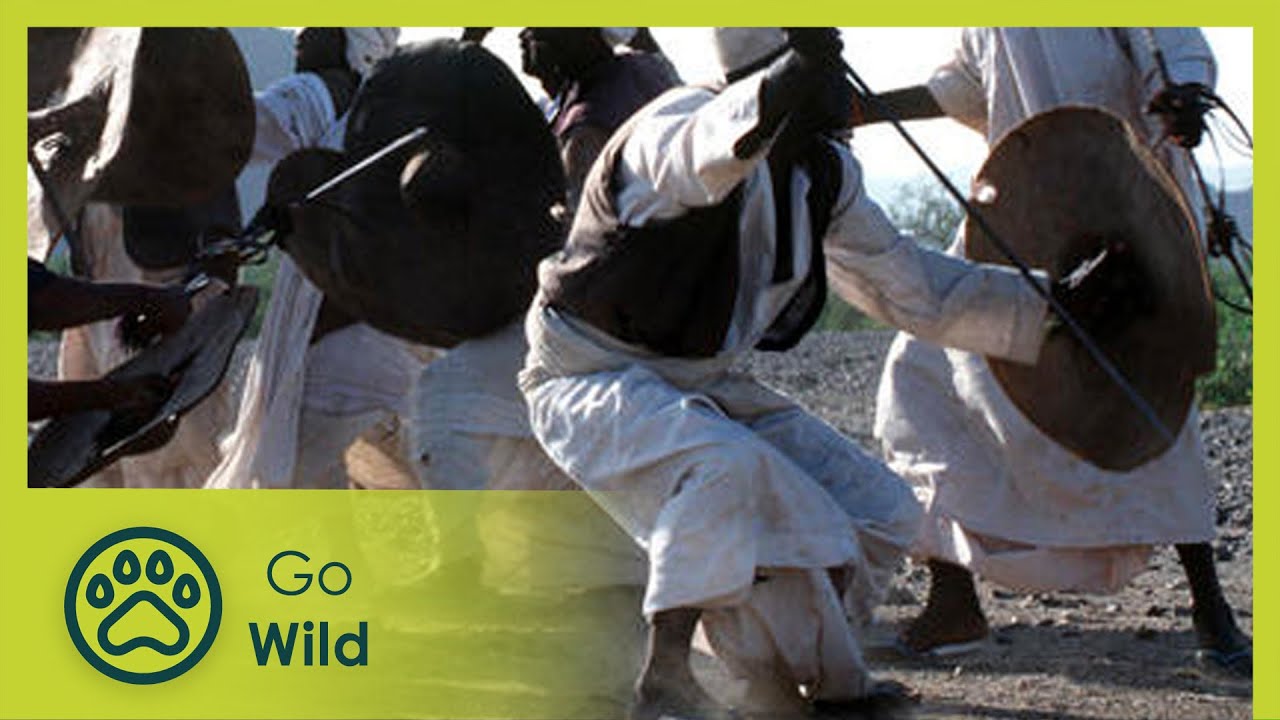
Sudan: The Nubian Caravans explores the relationship between landscape, travel and livelihoods in the Sudanese region. The film is available from Go Wild, and this restored archive entry brings it together with questions for studying how documentary images represent place and community.
Landscape and movement
The original programme description connects the Nile and its tributaries, savanna landscapes and desert environments. It gives particular attention to camels and the role of caravan travel in dry regions. Watch for the ways people organize journeys, work with animals and respond to the conditions around them.
Historical context: The original description calls Sudan Africa’s largest country. That wording reflects an earlier political geography and should not be read as a current description. This archive presentation preserves the film as a record of its time rather than a current travel guide.
Questions for research
Which places and communities does the narrator identify by name?
How are water, terrain and distance shown to influence movement?
What knowledge and practical skills are visible in the work of caravan participants?
Whose voices explain the journey: community members, an outside narrator or both?
Does the film distinguish individual communities clearly, or group different experiences together?
Build a careful viewing record
Create a list of place names with timestamps, then locate them on a map appropriate to the period being discussed. Keep film observations separate from present-day conditions. When researching a community, prioritize sources that identify its people and history precisely; a broad regional label does not make different communities interchangeable.