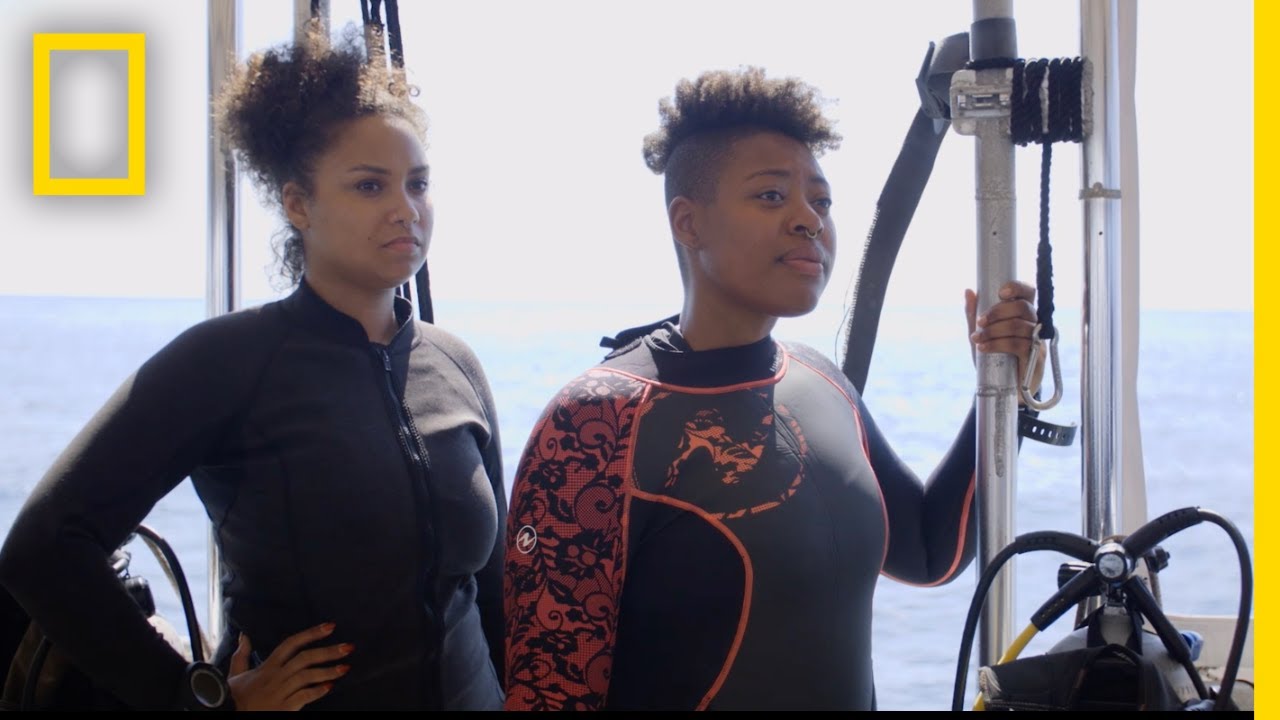
This National Geographic short film follows scuba divers working to locate, document and identify shipwrecks connected to the trafficking of enslaved Africans. Published in 2019, it considers both the research and the personal meaning of recovering histories beneath the water.
Research and remembrance
A wreck is more than a collection of objects. Its location, construction and surrounding evidence can contribute to a historical investigation. Identifying a particular vessel requires more than resemblance: researchers must compare physical evidence with records and explain the limits of their conclusions.
The film’s title refers to ancestry and connection. A meaningful connection to the history of enslavement should not automatically be read as proof of descent from a named person aboard a particular ship. Keep the emotional, communal and genealogical meanings distinct when discussing the film.
Questions for study
What motivates the divers, and how do they describe the significance of the work?
Which methods of documentation appear on screen?
What evidence would be needed to identify a ship confidently?
How can researchers center the lives of enslaved people rather than only ships and cargo?
Who should participate in deciding how a site’s history is interpreted?
A source-recording exercise
Choose one claim or discovery described in the film. Write down its timestamp, the speaker and the evidence offered. Separate what was observed underwater from what was inferred through historical research. List the additional records you would consult and the questions that remain open.
For a group discussion, consider how community participation changes the questions researchers ask. What responsibilities come with interpreting a place associated with captivity, loss and survival?