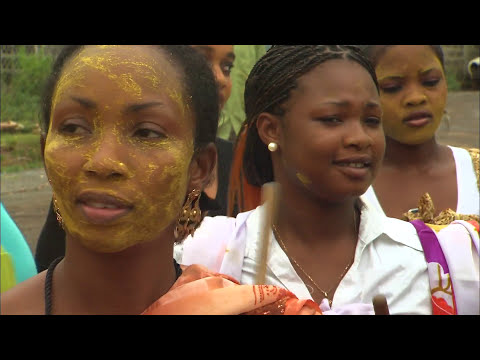
Mayotte: The Island in the Lagoon is Pierre Brouwers’ documentary portrait of island life and the surrounding natural environment. The edition embedded here was published by Best Documentary in May 2016.
The film moves between community life, a school, forest and mangroves before turning to the lagoon and marine life. This viewing guide uses the publisher’s chapter markers to help students return to particular sections and compare the different settings.
Selected viewing points
14:26 — School: observe how the film presents education and everyday life.
29:24 — Forest: note the landscape and the information offered by the narration.
35:27 — Mangroves: compare this setting with the forest and open water.
36:47 — Beyond the lagoon: follow the change in the film’s geographical focus.
40:37 — Scuba diving: consider what underwater filming makes visible to an audience.
44:39 — Lagoon turtles: record what is shown and what is explained.
These times come from the source upload’s description. They are navigation aids, not a substitute for watching each sequence in context.
Culture and environment in one portrait
A place-based documentary brings together people, landscapes and the filmmaker’s choices. Ask how the programme connects those elements, and where it leaves relationships unexplained. A brief scene can introduce a subject without representing every experience in a community.
Keep the identity of speakers, locations and activities attached to your notes wherever the film provides them. If a detail is not identified, record that uncertainty rather than assigning a meaning or name from appearance alone.
Read this as an archive
The online publication date is 5 May 2016; it is not necessarily the date of filming. Descriptions of services, development or local conditions belong to the documentary’s period. Use dated, current sources for any separate inquiry about Mayotte today.
Questions for study
How does the film move between community life and the natural environment?
What do interviews add that landscape images cannot explain?
How might residents describe the same places differently from a visiting filmmaker?
Which questions about environmental change would require evidence from more than one date?
Choose two chapters and compare their use of narration, interviews and visual evidence. Record timestamps for your examples and distinguish what you observe from what you infer.
Source and credit
Director: Pierre Brouwers. Embedded edition: Best Documentary.