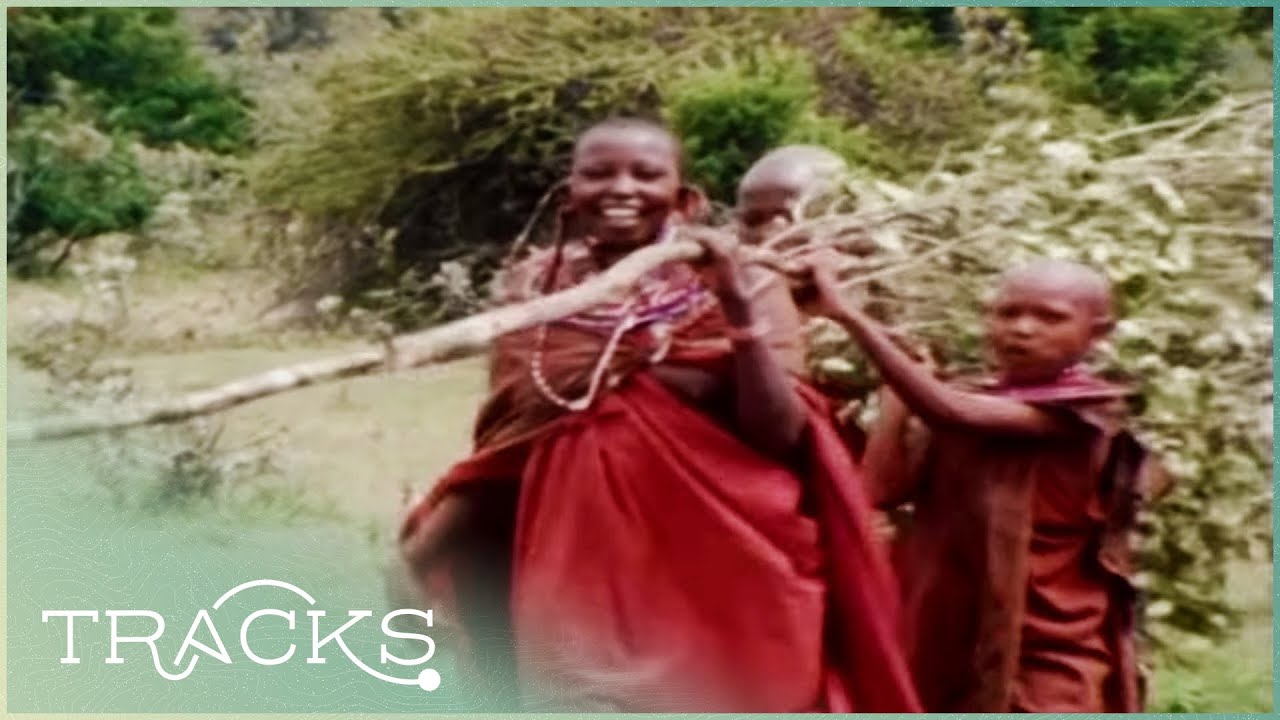
Masai Women is a 1974 documentary in Granada Television’s Disappearing World series. Directed by Chris Curling with anthropologist Melissa Llewelyn-Davies, it examines women’s experiences of family, marriage, motherhood and social roles in the Maasai community filmed.
The original title uses the spelling “Masai”; this guide uses “Maasai” when referring to the people. Watch the archival film above through the TRACKS upload, then use the questions below to examine both its subject and its approach to representation.
A historical portrait, not a universal description
This film records particular people and circumstances more than fifty years ago. Its descriptions should not be applied to every Maasai woman, community or contemporary household. Read the film as evidence of the encounters it records, while also considering the choices made by its researchers, camera crew, translators and editors.
The earlier archive description emphasized arranged marriage, cattle, household responsibilities and relationships between mothers and sons. These are topics for close examination within the film, rather than assumptions to carry into encounters with Maasai people today.
Listening to women’s perspectives
As you watch, distinguish women’s own words from commentary about them. Note moments in which a participant explains a decision, expresses a preference or describes a responsibility. Ask whether the documentary allows different experiences to emerge, and how editing influences the impression left with the viewer.
Study questions
How are family relationships described by the women interviewed?
What connections does the film draw between cattle, work and household security?
How do age and motherhood affect the roles shown?
When does the narrator interpret a scene, and what can the scene itself establish?
What would you ask Maasai women today before comparing present experiences with this historical record?
Film credits and further research
The Cross-Cultural Dance Resources Collections at Arizona State University identifies the programme as a 1974 Granada Television production. Freiburger Filmforum also lists it in its retrospective of work associated with Melissa Llewelyn-Davies.
Archive note: This historical ethnographic film reflects the language and perspectives of its production period. RTV’s accompanying guide is not a transcript. The film and source thumbnail remain the property of their respective rights holders.