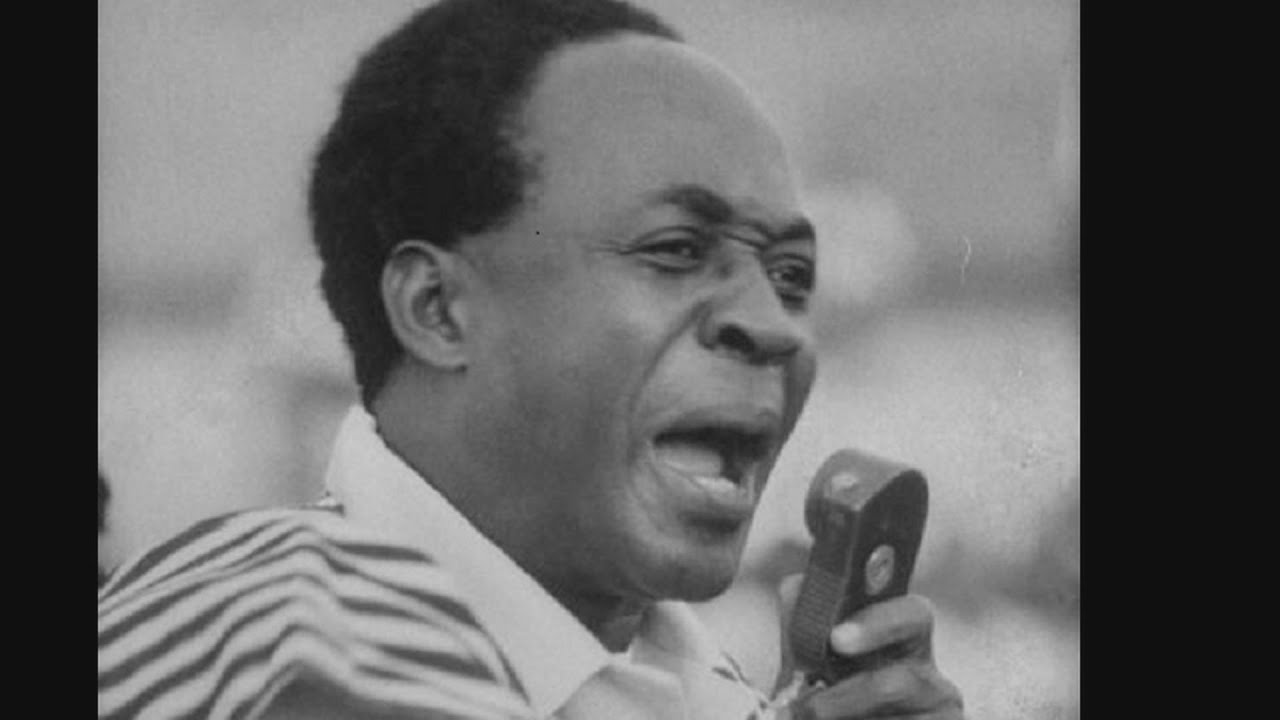
Faces of Africa: Kwame Nkrumah examines a central figure in Ghana’s independence and the movement for African unity. This CGTN Africa documentary offers a starting point for studying the relationship between national liberation, political leadership and continental cooperation.
From the Gold Coast to Ghana
The African Union’s historical profiles identify Nkrumah as Ghana’s first prime minister and president and credit his leadership in the Gold Coast’s independence from Britain in 1957. The distinction between the colonial name and the independent state helps place the documentary’s events in context.
When watching, build a timeline rather than treating independence as a single, self-contained moment. Record the organisations, participants and decisions mentioned, and consider how a leader-centred account relates to the work of wider movements and communities.
The vision of continental unity
The African Union records that leaders of 32 independent African states met in Addis Ababa in May 1963 to create the Organisation of African Unity. It identifies Nkrumah among the institution’s founding figures and connects his book Africa Must Unite with the aspiration for continental integration.
These sources provide a framework for considering how national independence and cooperation across borders could support one another. They also invite questions about the different forms that unity might take: shared institutions, coordinated policy or closer political union.
Study a legacy through evidence
Separate a leader’s stated aims from the effects of particular decisions. In a research notebook, distinguish speeches and contemporary documents from later recollections and the documentary’s narration. A compelling speech is evidence of what a speaker advocated; assessing its implementation requires additional sources.
Comparative viewing can be useful. Pair this film with Faces of Africa: Mwalimu Julius Nyerere and examine how each documentary presents leadership, independence and social change.
Questions for discussion
How does the documentary connect Ghana’s history with wider African movements?
What differences emerge between the ideal of unity and the institutions created to pursue it?
Which voices beyond political leaders would deepen your understanding of the period?
What evidence would you use to assess achievements, restrictions and unintended consequences fairly?
Record timestamps and publication dates for every source. Where accounts differ, preserve the disagreement in your notes and identify the evidence needed to resolve it.
Credit: CGTN Africa / Faces of Africa. Film and original thumbnail rights remain with their respective owners. This RTV article is a study companion, not a transcript.