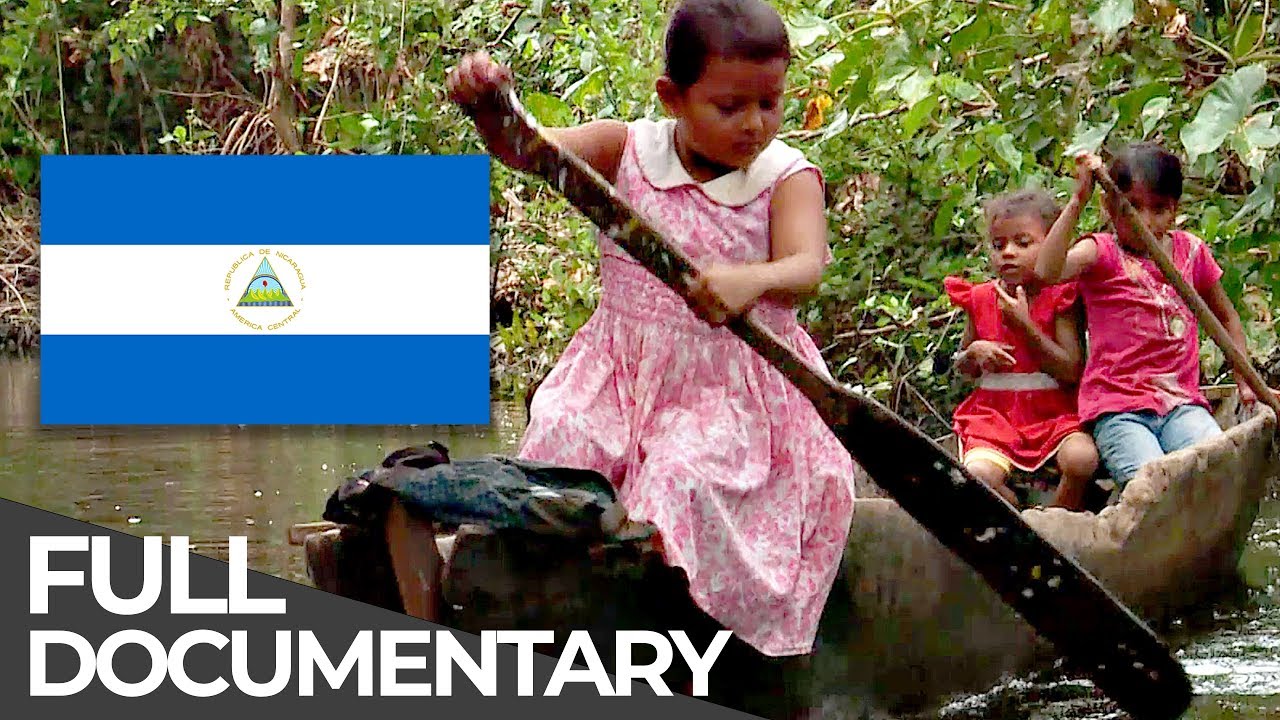
Most Dangerous Ways to School: Nicaragua follows children whose journeys to class involve difficult river and land routes. Published by Free Documentary in September 2015, the film provides a starting point for discussing access to education, transport and the daily work involved in reaching school.
The journeys in the film
The publisher’s description introduces sisters Julia, Yulissa and Kenya, who travel by dugout on the Río Escondido, and a classmate, Greyven, whose route is overland. Their different journeys invite viewers to consider how distance, water, weather and available transport affect a school day before lessons begin.
These are accounts from the documentary’s filming period. Ages, conditions and descriptions of the routes should not be read as present-day information about the children or their communities. The film’s dramatic series title also does not establish a measured worldwide ranking of danger.
Look beyond the journey
While watching, note the children’s skills, relationships and reasons for attending school as well as the obstacles they encounter. A useful discussion recognises their agency without treating the risks they face as something children should simply be expected to overcome.
Make two sets of notes: what is directly shown and what is stated by the narrator or participants. This helps separate observation from interpretation and prevents a single filmed journey from becoming an unsupported generalisation about an entire country.
Questions for study
What tasks must the children complete before they arrive in class?
How do the river and overland routes differ?
What additional information would help assess the effect of travel on attendance, time and energy?
Which decisions about transport or school access should include the knowledge of children, families and teachers?
A classroom activity
Choose one journey and record its stages with timestamps. Identify the obstacles described, the resources available and the questions the film leaves unanswered. Then compare it with a familiar school journey without assuming that one experience represents all learners in either place.
For any proposed improvement, explain what evidence you would need and whose views you would seek. This turns a reaction to the film into a careful inquiry about education and community priorities.
Original film and thumbnail rights remain with their respective holders. This RTV article is an editorial viewing guide, not a transcript or an update on the participants’ present circumstances.