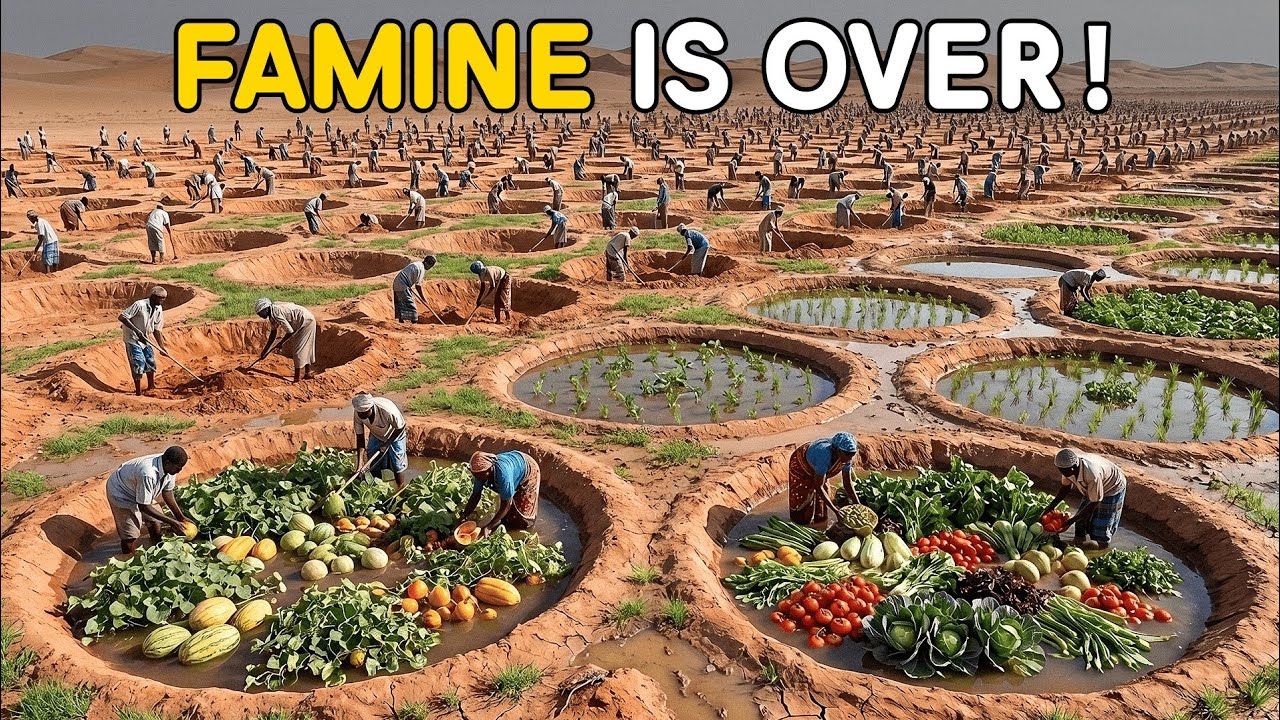
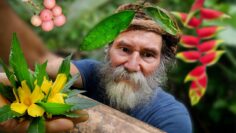
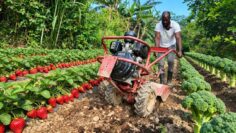
Niger Restored 900,000 Hectares of Dead Desert With Shovels, Half a Million People Now Eat, proving that sometimes the best technology to save the future is actually centuries old. In the southern Maradi region of Niger, a stretch of barren land that the United Nations once wrote off as “finished” is now thriving. This isn’t the result of billions of dollars in foreign aid or heavy machinery; it’s the result of an ancient, forgotten farming method called the “half-moon” and “zaï pits,” pioneered by a man everyone once called insane.
In this video, we explore how 528 sites in the Sahel are holding three million cubic meters of water, recharging aquifers, and creating life-saving microclimates. We also look at the reality behind the African Union’s Great Green Wall project, and how grassroots, shovel-in-hand resilience is successfully pushing back the Sahara Desert.
⏱️ Video Chapters (Timestamps)
0:00 – The Miracle in Niger: 900,000 Hectares Restored
1:33 – The 1968 Drought That Changed the Sahel
3:18 – Yacouba Sawadogo: The Farmer Who Stopped the Desert
5:14 – How Zaï Pits and Half-Moons Actually Work
7:05 – The Great Green Wall’s Struggle & Reality
8:56 – Inside Niger’s Maradi Region Transformation
10:48 – Recharging Aquifers and Creating Microclimates
12:15 – A Nourishing Mother: Pushing Back the Sahara
Data Sources & References:
Yacouba Sawadogo’s Legacy: Recognized globally, Sawadogo received the Right Livelihood Award (2018) and was named a UNEP Champion of the Earth (2020) for his pioneering work with Zaï pits.
World Food Programme (WFP) Sahel Resilience: The data regarding the 900,000 hectares and 500,000 people fed stems from the WFP’s ongoing Integrated Resilience Programme in Niger, which relies heavily on “demi-lunes” (half-moons).
The Great Green Wall Status: The statistics on the project’s slow progress (18-20 million hectares by 2020) are documented in the UNCCD (United Nations Convention to Combat Desertification) 2020 Status Report.
Andrew Millison / Oregon State University: The footage and permaculture analysis references OSU Professor Andrew Millison’s field work documenting global water and soil restoration projects.