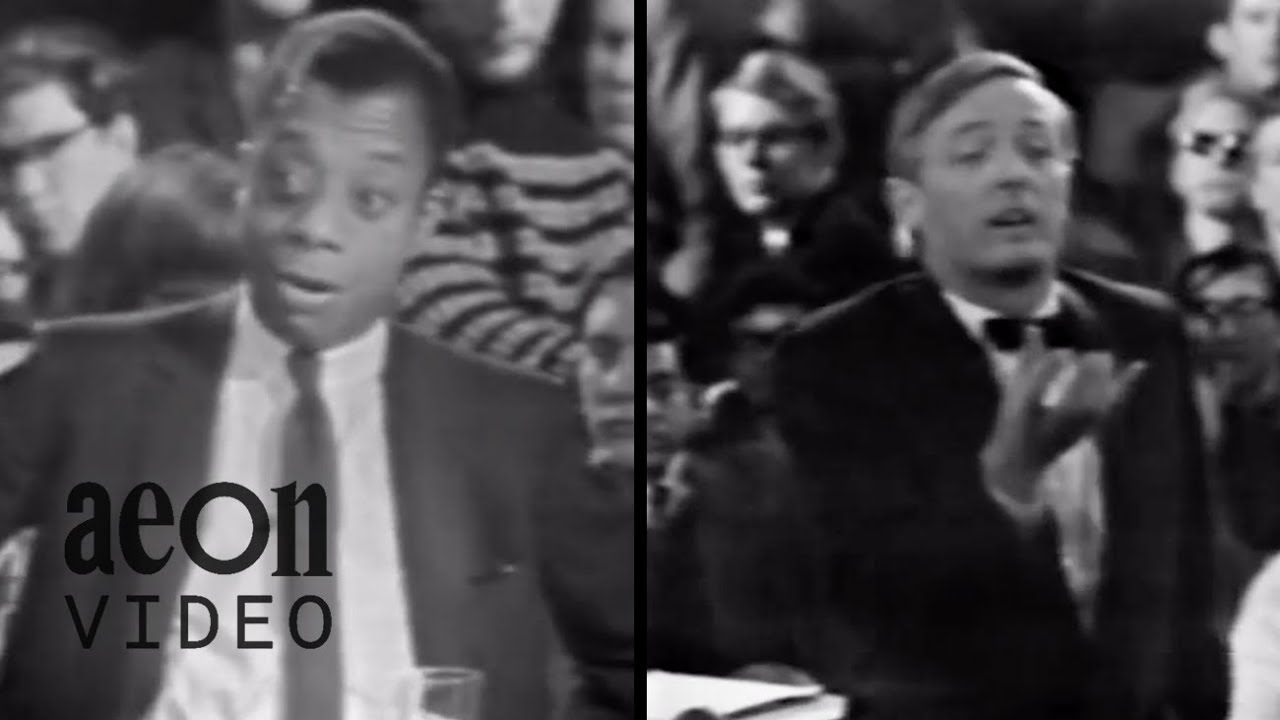
In 1965, James Baldwin and William F. Buckley debated at the Cambridge Union over the relationship between the American Dream and the exploitation of Black Americans. This recording preserves their contrasting arguments and rhetorical approaches.
The central disagreement
Baldwin argued that American prosperity and national identity were inseparable from the exploitation and exclusion of African Americans. Buckley challenged his analysis and emphasized participation in American institutions and opportunities. Watch the complete speeches to examine how each speaker supports his position.
Read argument and performance together
A formal debate is both a presentation of ideas and a public performance. Attend to the examples, assumptions and historical claims in each speech, as well as delivery and audience response. Applause demonstrates a reaction in the room; it does not independently establish a claim’s accuracy.
How does each speaker define the American Dream?
Which historical experiences are treated as central, and which receive less attention?
Where does personal testimony meet a broader argument about institutions?
What evidence would help test a factual claim made during the debate?
For a study exercise, compare one argument from each speaker using timestamps. Separate factual assertions, moral judgments and predictions before evaluating them.